
Home Case study
Mod Heat
A daily, brand-aware read on what is happening in the world, with ideas for how each client could respond.
The tension
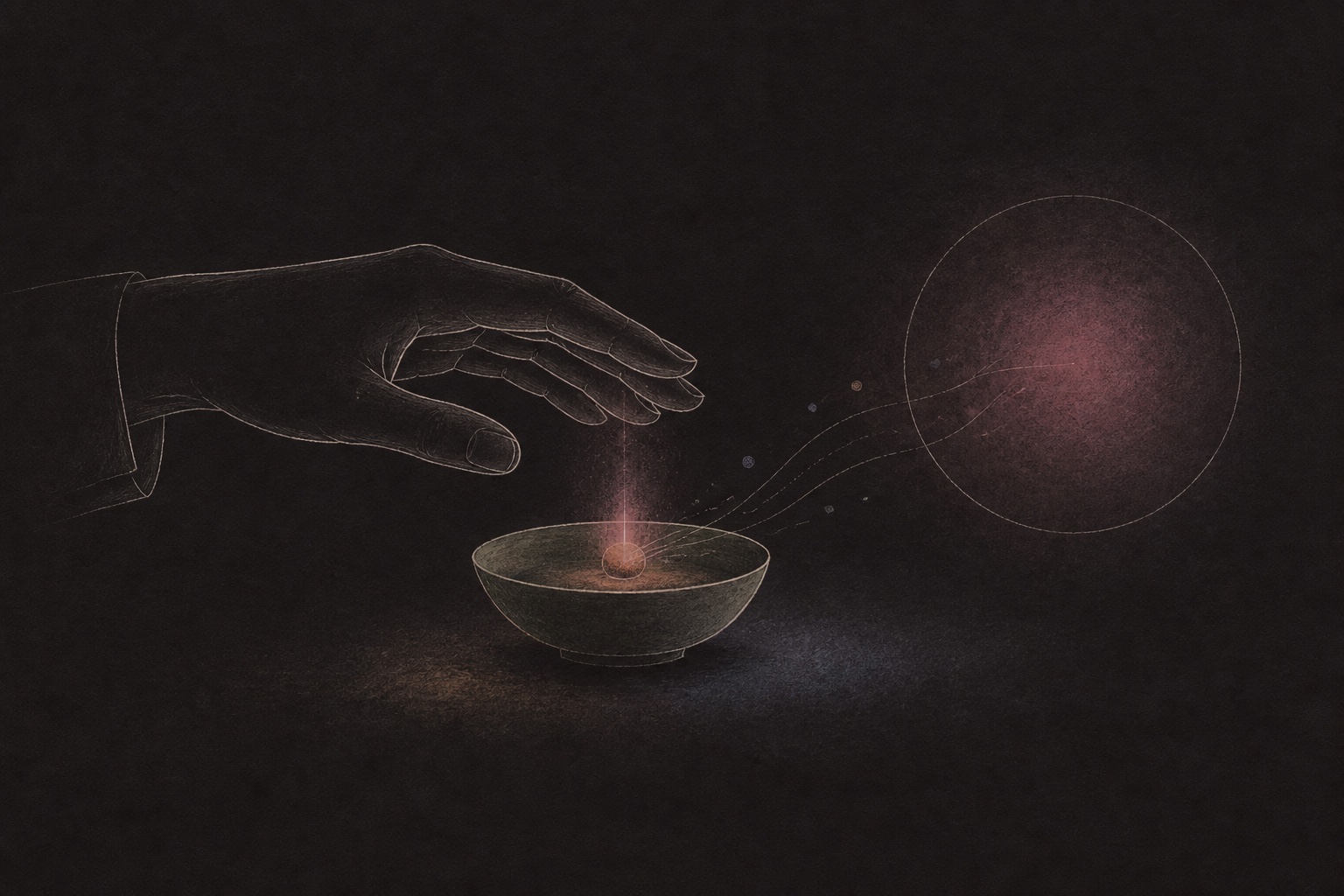
Spend enough time in a creative agency and you get used to a particular kind of conversation: someone brings in a news story, a trend, or something a competitor just did, and asks whether a client should respond. The team works through the same questions. Does our audience care? Does the brand have a reason to participate? Is there still time? What could go wrong?
The agency already had listening tools. What interested me was the work after a story surfaced: interpreting it for a particular client and deciding whether it deserved creative attention. The same moment could be an opportunity for one brand, irrelevant to another, and a liability for a third. A useful product would need to understand both the moment and the brand.
What I owned
I originated the concept in February 2024 and pitched it to Mod Op's executive team that April. With approval, I defined the product, the scoring model, and the concept-generation approach, built the front-end, and directed the work through its first internal release in November 2024. It was Mod Op Innovation's first product launch.
The original pitch imagined several specialized agents working through different parts of the problem: what was happening, why it mattered to a particular audience, and what a brand might do about it. My job was to turn that idea into a product a team could use and decide what belonged in the first release.
The scoring model
Mod Heat scans news, industry sources, and social conversation each day, groups related signals into moments, and evaluates each one for a specific client. I built the scoring around four questions agency teams were already asking, and the framework took its name from them: Familiarity, Impact, Timing, and Safety. Moments are ranked by relevance, risk, and potential reach.
Brand knowledge had to be part of that evaluation from the beginning. Mod Heat's early Brand Agents supplied the client's strategy, voice, audience, and other approved context, so a signal was judged against something more useful than a brand name.
That was the central product decision: make the brand part of how the system judges a moment. By the time something reached a team's attention, it had already been considered in relation to the client they were working on.
Room to surprise us
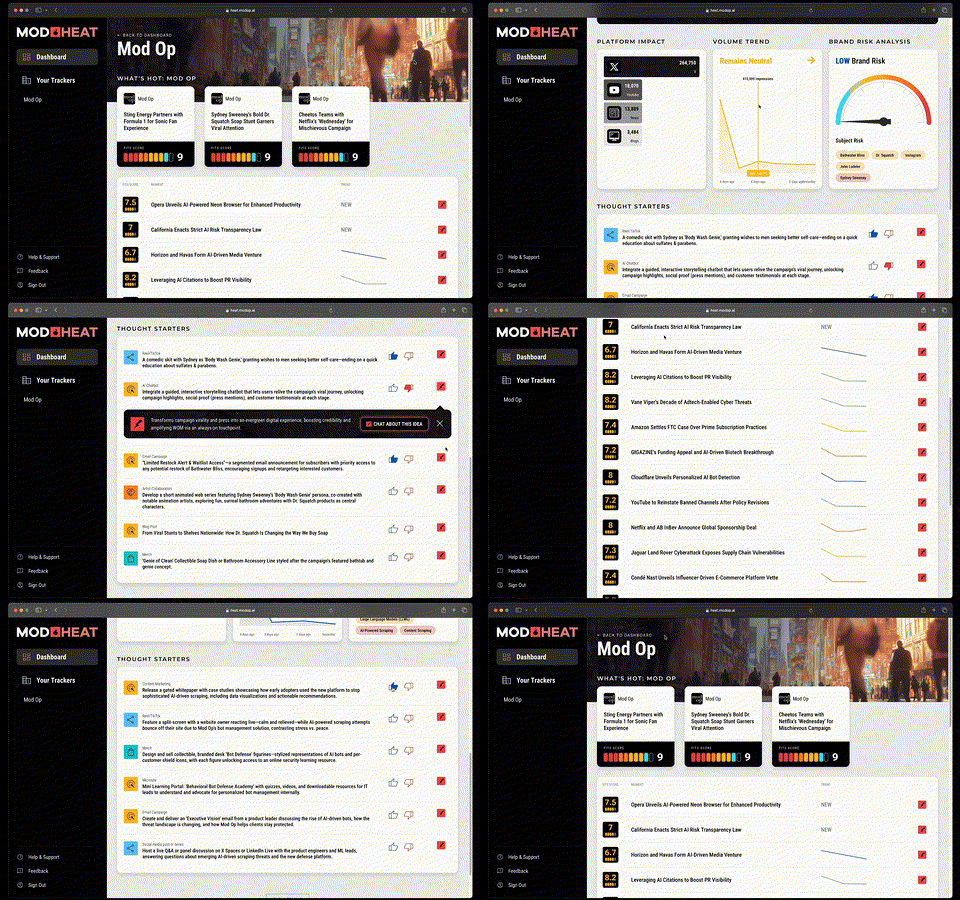
Every time Mod Heat qualified a moment for a client, it asked the Brand Agent for concepts on how the brand could respond. The agent carried the client's needs, products, strategy, voice, and audience, so the ideas were grounded in the brand from the start. Moments were re-evaluated daily, and the ideas were regenerated with them. Someone opening the feed found both a relevant story and possible ways into it.
I designed that process to introduce noise into idea generation, with an element of shuffling to keep the system exploring. A language model will happily produce a plausible answer that feels familiar. For creative work, I wanted the less obvious ideas to get a chance.
An AI judge then evaluated the candidates, and only the strongest were surfaced. The randomness broadened what the system considered. The judge decided what was worth putting in front of people. We wanted variety in the candidates and quality in the recommendations, and those turned out to be separate jobs.
Teams could take a moment into a Brand Agent conversation to develop it further. People still made the call about whether and how to respond, including when to hold back.
Where it found its users
The Growth team used Mod Heat to find reasons to reach out to clients and topics to raise when they did. It gave them a custom news feed for each account, with every story read through that client's priorities. A moment became the opening for a conversation about what was happening in the client's world.
The Organic Social team used it in their daily work. Social media both reflects and shapes culture, and a brand's window to participate can close quickly. Mod Heat became the feed the team checked for each client: which stories had an audience's attention, which were relevant to the brand, and where there was a reason to engage. The same signals supported two different actions, starting a client conversation and joining a public one.
The foundation underneath
Serving multiple clients made the requirements more demanding. Each client's view needed its own agency data and configuration. Confidential strategy and unreleased work had to stay within that client's boundaries. And the AI processing cost enough that we needed to separate the people who could configure the service and incur costs from the people who could simply use it.
So we made a shared foundation a requirement of the first release. The signal-processing work lived in Mod Heat. Accounts, organizations, permissions, and client configuration lived in a separate service, Nexus. At launch, the Brand Agents ran on OpenAI's Assistants API, and Nexus managed the user accounts, client details, and configuration around them. Both shipped in November 2024.
That separation gave later products somewhere to start. In 2025, we moved Brand Agents and their retrieval system into Nexus, where agents became something anyone at the agency could create, manage, and share. The Orion and Nexus case study follows that development.
Learning while shipping
Mod Heat was also the first product we built with Cursor. We picked it up in mid-2024, and I used it to contribute in a framework I had never worked in before, applying what I knew about engineering while learning the stack through the build.
As I later discussed on Leader Generation, that experience changed how I wrote requirements. Breaking work into requests a coding assistant could understand forced me to be precise about the behavior we wanted. Reviewing, testing, and deciding whether to accept a change stayed with us.
Where it stands
After the November 2024 internal release, Mod Op announced Mod Heat publicly on October 2, 2025. It became part of the Orion portfolio when that brand launched in July 2026.
The product gives teams a standing view of relevant moments with concepts for how a brand might respond. Since the March 2026 Launchpad sprint, a client's moments are also available through Nexus MCP, so an authorized external AI tool can read them under the platform's existing access controls and take them somewhere Mod Heat's own interface does not go.
What I learned
Mod Heat taught me to treat creative variation as something to design for. Giving an AI system room to explore and judging what it produced were separate jobs. The combination made room for less predictable ideas while keeping a standard for what reached the user.
It also taught me to watch what a product becomes once it meets real users. I designed Mod Heat for the people who make creative decisions about a brand. The Growth team picked it up as a way to know what to say to a client this week, a use I had not planned for and would not have prioritized. It turned out to be one of the product's most reliable habits. Since then I have tried to hold the first release loosely and let the second one be shaped by who actually shows up.
Links
- Mod Heat Mod Op product page · the signal, brand-context, and concept-generation workflow.
- Mod Op Expands AI Suite with Launch of Mod Heat, AI Coach and Ecommerce Agent Mod Op press release · October 2025 public launch announcement.
- Vibe Coding: The Future of AI-Assisted Development Teams Leader Generation podcast · our experience building Mod Heat with AI coding assistance.
- Orion and Nexus: the AI operating layer Related case study · how Mod Heat's shared foundation grew into an agency-wide platform.
- Launchpad Related case study · the prototyping program whose second sprint produced Nexus MCP.